

Navigating to Lysebotn is not about transportation, but rather a nearly ritualistic approach to one of Norway’s most spectacular dead-end roads. For the dedicated motorcyclist, the goal is not merely to arrive at the fjord, but to master the transition from high mountain plateau to sea level through the boldest engineering routes. The route I have planned prioritizes riding flow and visual impressions over efficiency, and it begins long before you encounter the first hairpin bend.
Oslo – Lysebotn – Oslo 2-3 days tour
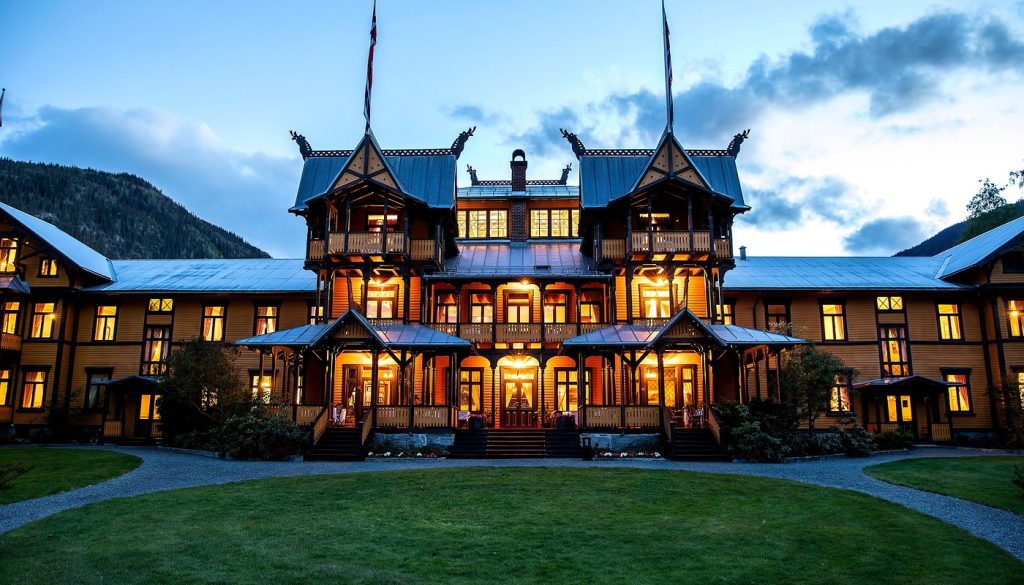
Day 1: Overnight og dinner – Dalen Hotel
Day 2: Arrival Lysebotn
We approach from the east, via Sirdal. This is the gateway. Before you leave civilization, it is imperative to fill up your tank at Sinnes or the GP intersection. There is no gas station down in Lysebotn, and running out of fuel on the climb back up is a mistake you only make once. From Sirdal, we turn west onto FV987 and further onto FV500. The landscape changes character here. From the warm birch forests, we quickly ascend above the tree line, into a terrain that resembles the moon’s surface more than Southern Norway. Up here, over 900 meters, the road is clear with long, sweeping curves that invite a smooth and pleasant rhythm. The asphalt is coarse and provides good grip, but be vigilant for frost heave that can disrupt balance during descent, especially early in the season.
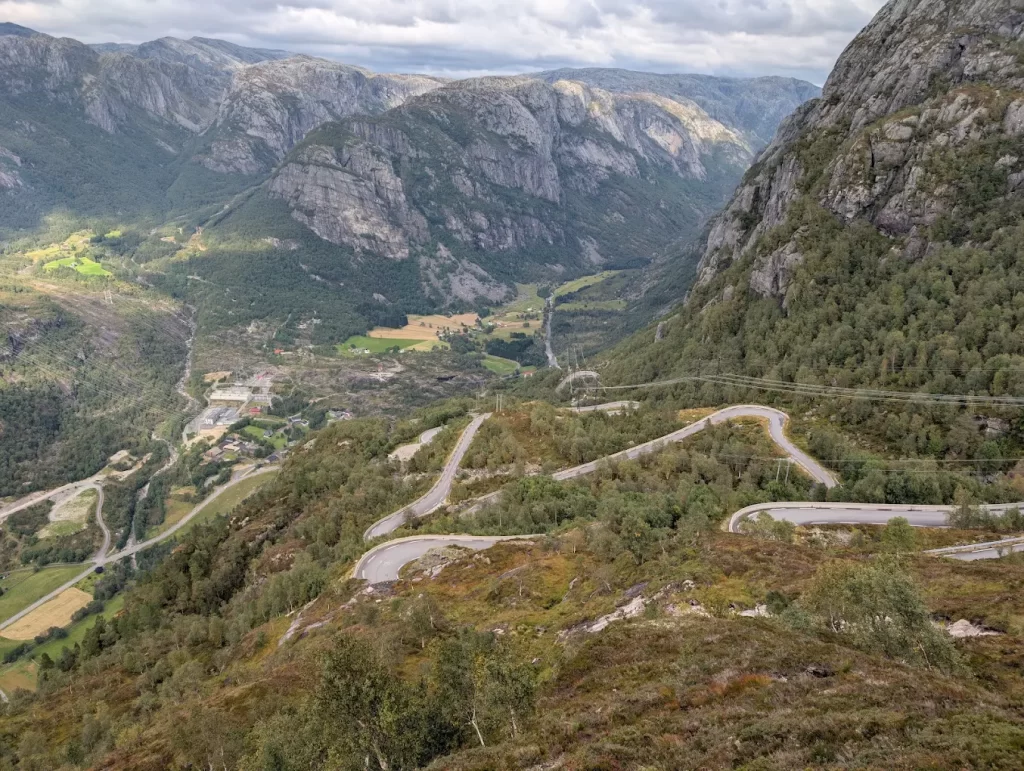
This stretch is a mental warm-up. The air becomes sharper, and the traffic thins out. Be aware that this is grazing land; sheep have a pesky habit of using the warm asphalt as a resting place, often just behind a rise or in the shade of a rock outcrop. It requires an active gaze well ahead. We stop at Øygardstøl, Eagle’s Nest, which hangs on the edge of the cliff 640 meters above the fjord. This isn’t just a break for coffee and waffles, but a necessary stop to recalibrate the senses before the descent. From here, you can see the road winding down like a discarded shoelace along the mountainside. This is where the seriousness begins.
The descent towards Lysebotnveien is a technically challenging endeavor that rewards precision over speed. The road features 27 hairpin turns, many of which are located inside a 1100-meter-long tunnel that spirals 340 degrees within the mountain. The driving experience here is unique and intense. As you enter the tunnel, your eyes must quickly adjust from bright sunlight to dim lighting. The surface inside the tunnel can be damp due to condensation, and traction is often poorer than outside. The handling of turns inside the mountain may feel unnatural, requiring a steady throttle and careful use of the rear brake to maintain a tight line.
When you emerge back into daylight, the rhythm continues with short, intense straightaways interrupted by sharp 180-degree turns. Here, it’s all about finding your flow. Look far through the turn, position the bike wide at entry, and be patient with the throttle as you exit. The drop is immense, and the guardrails are sometimes low, creating a formidable sense of exposure. This is not the place for chasing lap times, but for experiencing the interplay between machine and gravity.
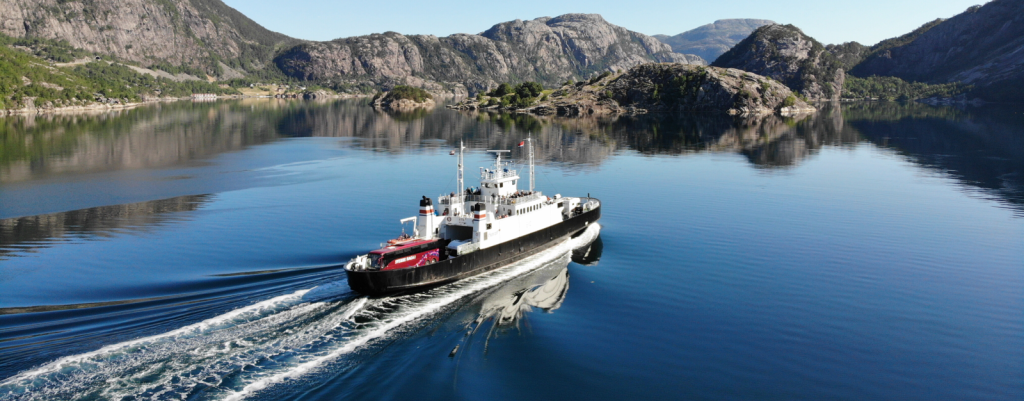
Down by Lysefjorden, the atmosphere changes instantly. The temperature rises noticeably, and the barren silence of the mountains is replaced by the sound of waterfalls and the scent of the sea. Down here, by the quay, you find your calm. For the ultimate loop, I recommend timing your arrival so you can take the high-speed passenger boat or the tourist ferry out along the fjord toward Forsand or Lauvvik. It offers a welcome break for both machine and rider, and lets you view the road you have just conquered from a frog’s-eye perspective—placing the achievement in a powerful context.
The route is best suited to adventure bikes and naked bikes with an upright riding position, offering good visibility and manageable control through the tight bends. Heavy touring motorcycles and sport bikes with extreme geometry will demand more physical effort, especially in the hairpins. The season is short; the road usually opens in late May and closes with the first snowfall in October. The best time to ride is midweek, early in the day or late in the afternoon, to avoid motorhomes and tourist buses that can disrupt an otherwise fluid riding rhythm.
My ambassador’s advice to you is simple: treat the Lysebotn Road with respect. It is a road that gives back immensely when ridden with margins, but punishes overconfidence without mercy. Enjoy the contrasts, breathe in the mountain air, and let the bends shape the journey. Ride safe.
Here is a suggested, time-estimated riding plan for a midsummer day trip. Note that this plan is based on typical summer season timetables. The road is closed during winter and normally opens in the second half of May. This schedule is designed with generous margins (“slack”), ensuring that stress never overshadows the experience. The goal is to catch the afternoon ferry out along the fjord, providing the perfect conclusion to the ride.
🏍️ Plan : To Stavanger or back up the montain to Evje?
Travel Plan: From the High Plateau to the Fjord
10:00 – Meet-up and Refuel: GP Junction / Sinnes in Sirdal
We start the day calmly here. This is the definitive Point of No Return for fuel. Fill the tank completely, regardless of how much you have left. There is no fuel available in Lysebotn, and the ferry across to Forsand/Lauvvik has no pumps at the quay either. Use the time for a coffee, check that your luggage is securely strapped, and mentally prepare for the transition from a transport stage to active riding.
10:30 – Departure toward the High Plateau (FV987/FV500)
We leave the Sirdal valley. The first miles climb steadily. Use the first 20 minutes to find your rhythm and gauge how you feel today. As you pass the tree line, the landscape opens up.
11:15 – Photo Stop on the High Plateau
Roughly halfway across the mountain, near the large dams or by Andersvatnet, it’s natural to take a 15-minute leg stretch. The silence up here is immense. Check your tires and take in the surroundings you’ve just ridden through. This is also a good moment to double-check that no one has fallen behind.
12:00 – Arrival at Øygardstøl (Ørneredet)
We reach the edge of the drop. Here we park the bikes with what is arguably the best view in Rogaland. A walk out onto the viewing platform is mandatory to look down at Lysebotn and the road that awaits. This is lunchtime. Buy a waffle or eat your packed lunch at the restaurant, and spend at least 45 minutes here. Study the hairpins from above; visualize the lines you are about to ride.
13:00 – The Descent
Now the main attraction begins. The 27 hairpin bends and the tunnel demand full concentration. Even though the descent physically takes only 15–20 minutes, it feels longer due to the intensity. We ride with generous spacing between bikes. No overtaking in the tunnel.
13:30 – Arrival at Lysebotn Quay
Once down, we park at the ferry terminal. Let the pulse settle. You now have plenty of time before departure. There is a special atmosphere on this quay—a mix of base jumpers packing parachutes, tourists who have just arrived, and motorcyclists sharing experiences from the descent. Buy an ice cream or a soft drink at the kiosk by the campsite.
15:00 – Ferry Departure (Time must be verified against the current seasonal schedule)
We aim for the tourist ferry (The Fjords) or the scheduled service boat (Kolumbus), which often departs around this time. Boarding with a motorcycle requires you to have tie-down straps available, even though the crew will often help. The deck can be slippery from sea spray, so be gentle with the front brake.
Note: You must have pre-booked your place. Capacity is limited, and being left on the quay often means an overnight stay or riding back up the same road.
17:30 – Arrival at Lauvvik / Forsand
After a spectacular cruise beneath Preikestolen, we roll ashore on the other side. You are now back in the lowlands, rested after the boat trip and ready for the ride home via Ryfylkevegen.
The Ambassador’s Ferry Advice
There are two types of boats operating here. The tourist ferry is the more expensive option, but it is designed for views and cruises slowly past the sights. The high-speed passenger boat (combi boat) also carries vehicles, but primarily serves as public transport for locals. It is faster and cheaper, but has very limited space for vehicles. For a group of motorcycles, the tourist ferry is the safest choice to guarantee space.
🏍️ Next Step
Here is the information you need to secure the logistics. As a motorcyclist in Lysebotn, your ferry ticket is your most important possession after the ignition key. Without it, the trip can end with an unplanned overnight stay, as riding back up is the only alternative if the boat is full.
Below is an overview of the two operators serving the fjord:
1. Kolumbus (Scheduled Service / Combi Boat)
This is the public transport option, often preferred by local commuters and those “in the know.” The boat functions as a lifeline for communities along the fjord without road access.
Why choose this: Usually the cheapest option. It is faster than the tourist ferry and keeps you close to the water.
Challenge: Vehicle capacity is very limited (often only room for a handful of cars), but there is almost always space for a few motorcycles. Pre-booking is nevertheless critical in high season.
Booking: Book tickets at bestilling.kolumbus.no. Search for travel from “Lysebotn” to “Lauvvik” (or “Forsand”).
2. The Fjords / Rødne (Tourist Ferry)
During the summer season, dedicated tourist ferries run, designed for the experience. These are usually larger boats with more space, large outdoor decks, and a slower pace with guided commentary.
Why choose this: If you want the “mini-cruise” feeling. There is more room to move around on deck, take photos of Preikestolen from below, and fully relax. Parking your motorcycle is also easier due to the more spacious deck.
Challenge: The price is significantly higher than the scheduled service.
Booking: Check thefjords.no or rodne.no (depending on who holds the concession for the 2025 season). This is often marketed as a “Lysefjord Cruise.”
Overnight Stay (Plan B or the Luxury Option)
If you wish to stay the night—either to enjoy the calm once the tourists leave, or because the ferry was full—these are the places to aim for:
Lysefjorden Tourist Lodge
The “civilized” option at the head of the fjord. Here you get a proper bed, a shower, and a solid breakfast to set you up for the climb back up the bends the next day. There is also a cozy lounge with a fireplace where you’re guaranteed to meet other motorcyclists.
Lysebotn Camping
Beautifully located right by the river mouth. The cabins are basic, but the atmosphere is unbeatable. You’ll be staying among base jumpers from all over the world. The pub here (Olavs Pub) is legendary and the place to share the day’s impressions over a cold drink.
Ferry Tips
The ferry ramp and deck are often made of steel and can be slippery from sea spray or oil residue. Put both feet down when boarding. The crew will ask you to strap down the bike (remember to bring your own tie-down straps). Straps are usually available on board, but they are often dirty and coarse.
My advice: Bring a small microfiber cloth or a buff to place between the seat/paintwork and the strap. There’s nothing more frustrating than getting home with abrasion marks on the seat after a perfect ride.